

Google announced the highly anticipated Pixel 10 series at the Made by Google event in Brooklyn. This year is the Pixel 10, Pixel 10 Pro, Pixel 10 Pro XL and foldable Pixel 10 Pro Fold models. The most striking point of the event was that Pixel 10 is now coming with a telephoto camera. Thus, the entry -level model was expanded to the variety of camera.
The design lines of the Pixel 10 are largely resembled Pixel 9. Located in the back of the phone in the back of the phone, the camera module contains three different sensors this time. In addition to the 48 MP main camera, there is a 13 MP ultra wide angle and a telephoto sensor that can make a 5x optical zoom with a resolution of 10.8 MP. On the front is a 10.5 MP camera with automatic focus. Nevertheless, the Ultra wide -angle sensor in the Pixel 9 offers a higher resolution, and a small decline stands out in this area.
Google Pixel stands out with its 10 strong processors and modern technologies
Google has placed the TENSOR G5 processor produced by the TSMC during the Pixel 10 process. The processor is accompanied by the Titan M2 chip that increases security. In addition to 12 GB RAM, users can choose the phone with 128 GB or 256 GB storage options. This combination improves performance and makes energy efficiency more balanced. In addition, the device is expected to react faster in artificial intelligence -based features.
The screen side features a 6.3 -inch Actua panel. Offering Full HD+ resolution and 120 Hz renewal speed, the display can only vary between 60 and 120 Hz due to LTPS technology. Nevertheless, the screen brightness of the screen to 2,000 Nits makes a difference in daily use. Gorilla Glass Victus 2 is on the protection side. Thus, the device gains an ambitious position in terms of both durability and visual quality.
Safety features were diversified in Pixel 10. Ultrasonic fingerprint sensor is one step forward in speed. The phone also offers protection against water and dust thanks to the IP68 certificate. In addition, the device comes out of the box with the Android 16 operating system. In this way, users have the most up -to -date software experience from the first day.
Google’s software support has become one of the remarkable elements. The Pixel 10 is guaranteed for seven years of system and security update. This time stands out as a long commitment between Android devices. Users get a more sheltered experience against security deficits. At the same time, the device becomes more attractive for long -term use.
The battery capacity was increased to 4.970 mAh at Pixel 10. While the Qi2 support is provided on the wireless side, the wired charging reaches 29W power. With 15W wireless charging support, daily use becomes more practical. In addition, the Qi2 compatible Pixelsnap accessories introduced at the event are also compatible with the device. This detail provides additional convenience in users’ daily experience.
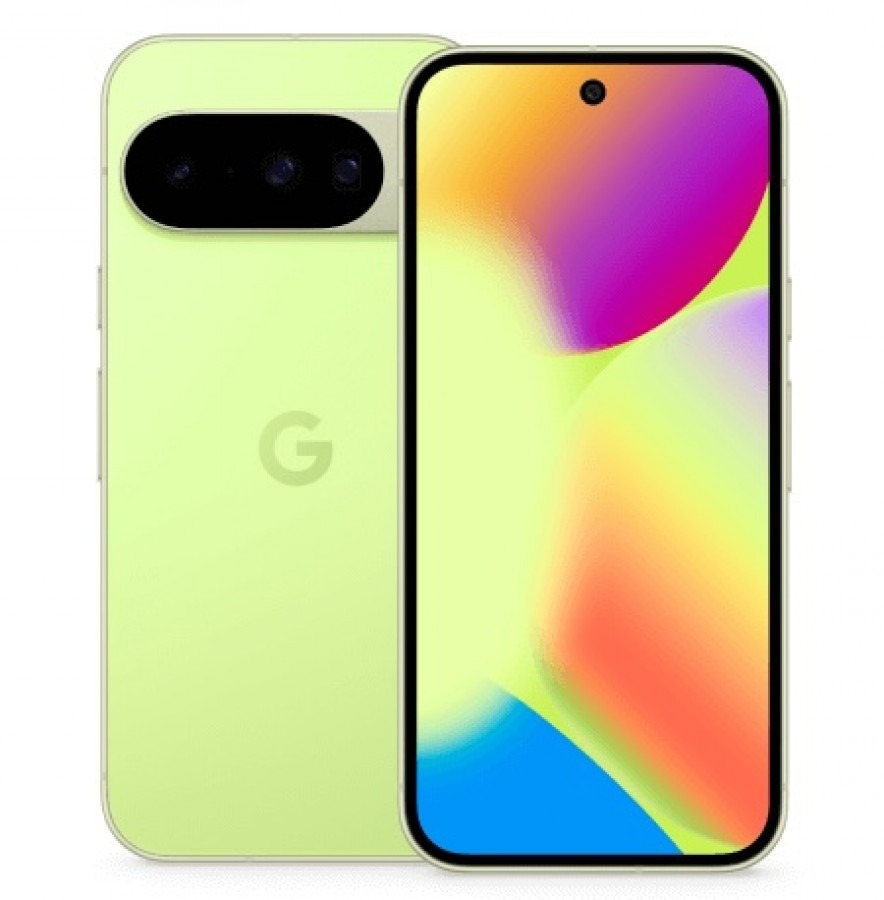
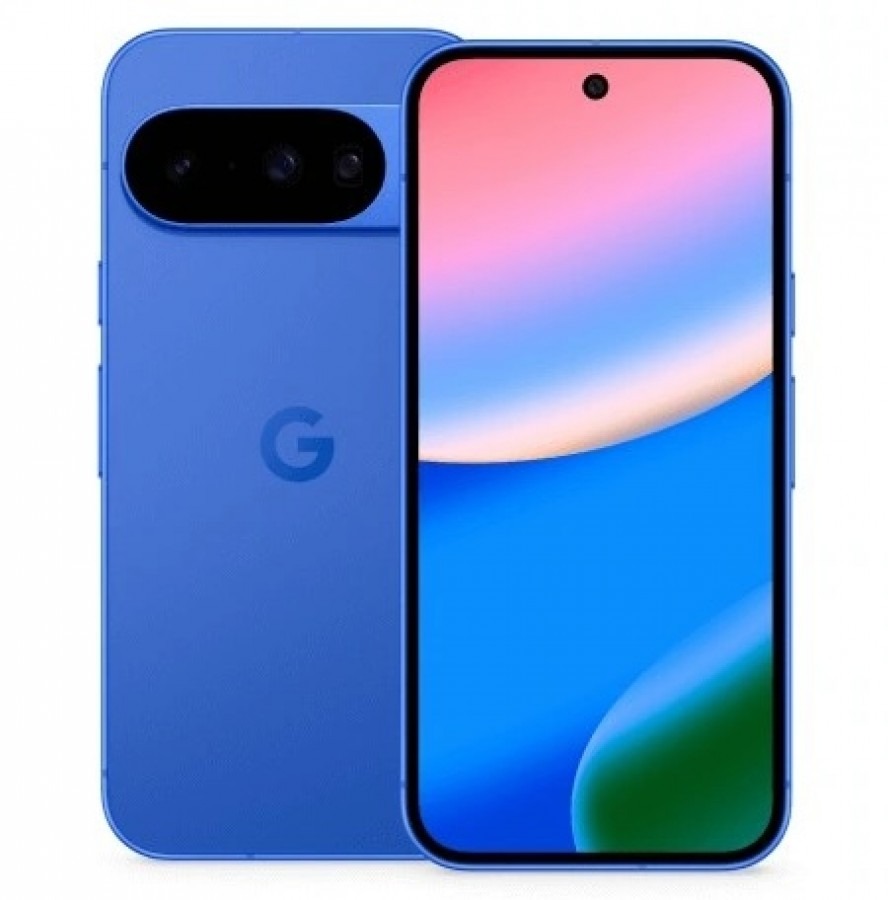
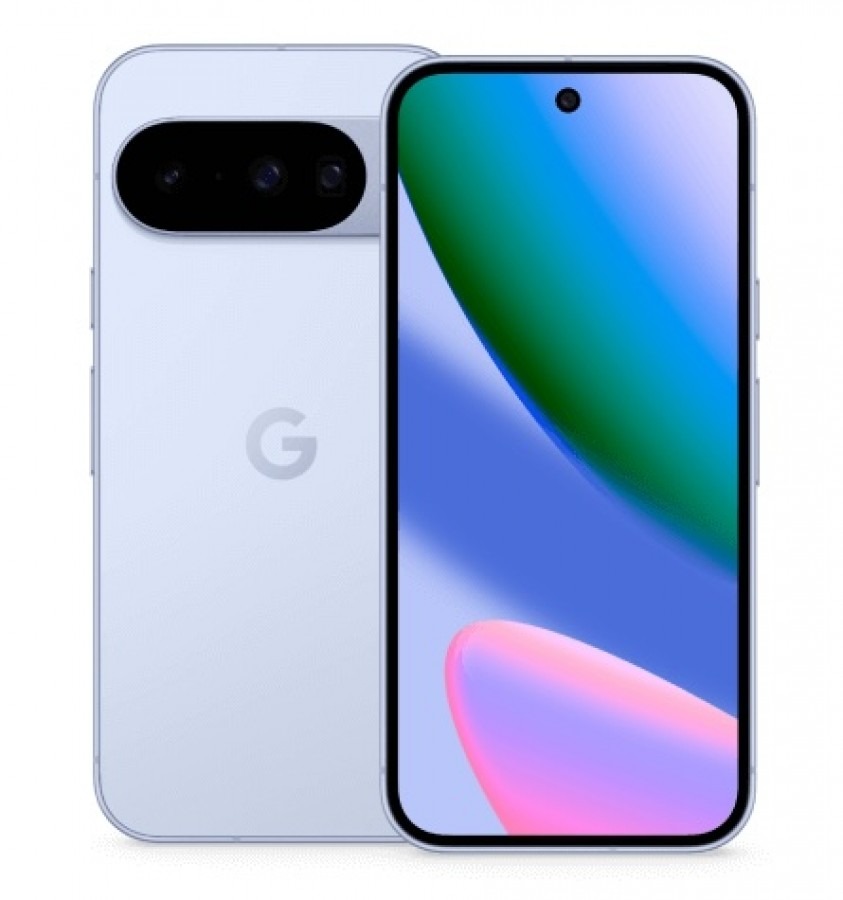
Color options are offered with four different alternatives. These options, Moonlight, Iris, Ultra Blue and Limoncello, add vitality to the appearance of Pixel 10. With the continuation of simple lines on the design side, the diversity of colors attracts attention. Thus, the device has both elegance and options that appeal to different tastes. This approach helps to address the Pixel 10 to a wider audience.
Pricing was determined for the US market. The 128 GB storage model was sold at $ 799, while the 256 GB version has a price tag of $ 899. These figures allow the device to compete with Apple and Samsung’s middle-upper segment phones. Nevertheless, it can be said that Pixel 10 stands at a balanced point in terms of price-performance balance. It is a matter of curiosity how prices will be shaped in other markets in the future.
The most prominent innovation of the Pixel 10 is that the telephoto camera is now in the input model. This sensor, which was previously presented only in the Pro series, seriously enriches the photo experience. Thus, users can act more flexible in different shooting scenarios. In addition to all these, the main camera and software improvements move forward the quality of photography. This makes the device a strong alternative to photography.